Preserving Charm & Ensuring Safety: A Guide to Painting Historic Homes in Doylestown
The historic homes throughout Doylestown and greater Bucks County are a huge part of what makes our community so special. From the stately Victorians in the Borough to the classic stone farmhouses dotting the countryside, these properties are rich with character and history. But when it comes time for a fresh coat of paint, preserving that charm requires more than just a steady hand—it requires a deep understanding of the unique challenges these older homes present, especially when it comes to safety.
Many homeowners don't realize that a simple painting project can disturb hazardous materials hidden beneath layers of old paint. This guide will walk you through the most important safety consideration for any home built before 1978: lead paint. We'll cover why it's a concern, the proper procedures for handling it, and how to ensure your residential painting project is both beautiful and safe for your family.
The Hidden Hazard in Historic Homes: Understanding Lead Paint
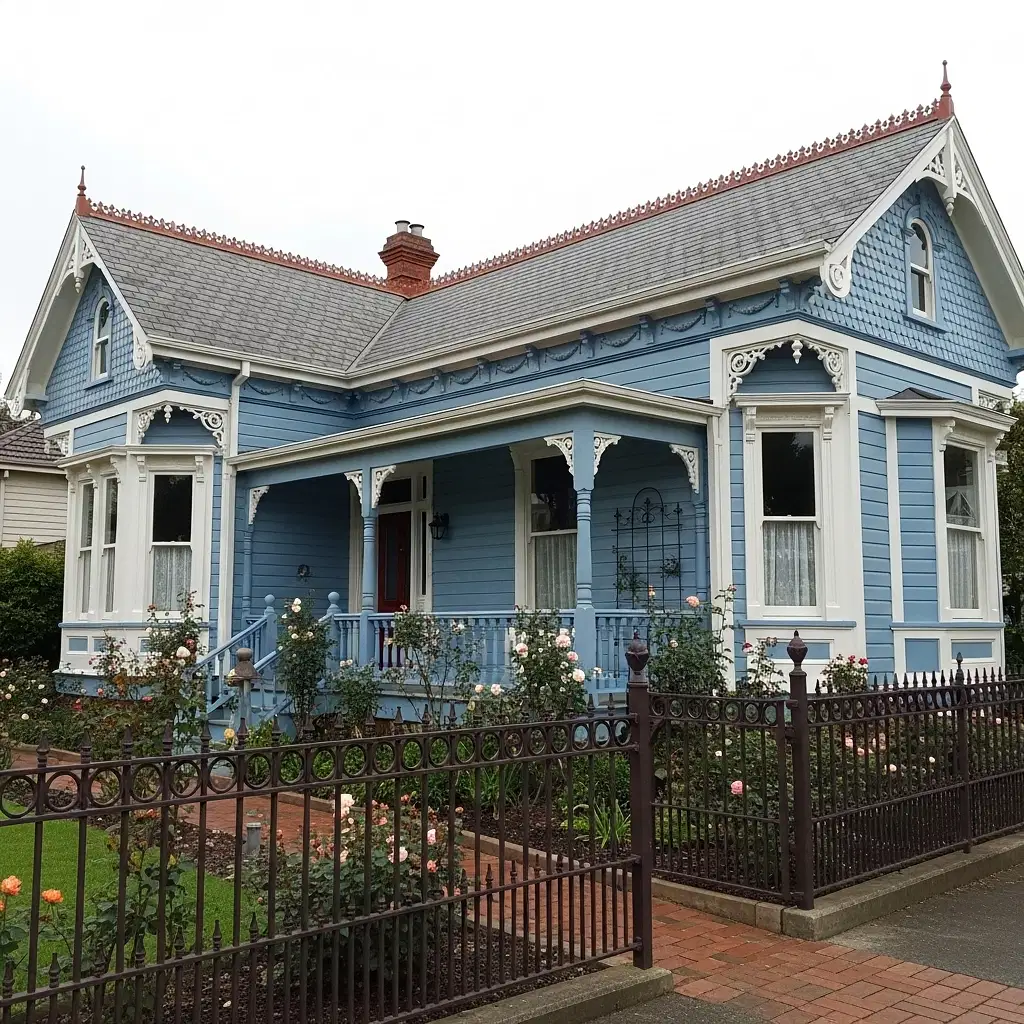
For much of the 20th century, lead was a common ingredient in paint, prized for its durability and rich color. However, it was banned for residential use in 1978 after its serious health risks became widely known. If your home was built before this time, there is a high probability that lead-based paint exists somewhere on the property, whether on interior walls, exterior siding, window frames, or doors.
The danger isn't the paint itself when it's intact. The problem arises when it begins to chip, peel, or is disturbed during renovations. Common preparation work for painting—like sanding, scraping, or using a heat gun—can release microscopic lead dust into the air. This invisible dust can settle on floors, furniture, and soil, posing a significant health risk, particularly to children and pregnant women. Inhaling or ingesting this dust can lead to serious, long-term health issues.
This is why simply hiring any painter or attempting a DIY project on an older home can be a risky decision. It's not just about getting clean lines; it's about protecting the health and well-being of everyone in your home.
The Right Way to Prepare: EPA Lead-Safe Practices
To address the dangers of lead paint, the Environmental Protection Agency (EPA) established the Renovation, Repair, and Painting (RRP) Rule. This federal law requires that firms performing renovation, repair, and painting projects that disturb lead-based paint in homes, child care facilities, and pre-schools built before 1978 be certified by the EPA and use certified renovators who are trained in lead-safe work practices.
So, what does this mean for your project? When you work with an EPA RRP Certified Firm like Sunny Day Painting Co., you can expect a process designed around containment and safety:
- Testing: We can help determine if lead paint is present before any work begins.
- Containment: The work area is sealed off from the rest of your home using heavy-duty plastic sheeting to prevent dust from spreading.
- Safe Removal: Our team uses specialized techniques and tools, such as sanders with HEPA vacuum attachments, to minimize dust creation during surface preparation.
- Thorough Cleanup: After the work is done, the area is meticulously cleaned using HEPA vacuums and wet-wiping methods to remove any remaining lead dust.
- Proper Disposal: All waste materials are carefully bagged and disposed of in accordance with federal and local regulations.
Following these strict protocols is non-negotiable for any interior painting or exterior painting project on a pre-1978 home. It ensures the job is done right and, most importantly, safely.
Beyond Lead: Choosing Modern, Healthy Materials
Safety doesn't stop with lead containment. The paints we choose to apply are just as important for creating a healthy living environment. Modern paint technology has come a long way, and today's premium products offer incredible performance without the harmful chemicals of the past.
We strongly recommend using low-VOC or zero-VOC (Volatile Organic Compounds) paints for all interior projects. VOCs are chemicals that are released into the air as paint dries, and they can contribute to poor indoor air quality and cause respiratory irritation. For families with young children, pets, or anyone with allergies or sensitivities, using these healthier paint options is a simple choice that makes a big difference.
Choosing a low-VOC paint doesn't mean you have to compromise on quality or historical accuracy. Top brands offer extensive color palettes that can match traditional hues perfectly, all while providing a durable, long-lasting finish that is easy to clean and safe for your family to be around.
Protect Your Home, Protect Your Family
Owning a historic home is a privilege, and maintaining its beauty is a labor of love. But that love must be paired with knowledge and caution. A painting project should enhance your home's value and your enjoyment of it, not introduce a hidden health hazard.
By understanding the risks of lead paint and partnering with a certified, professional painting contractor, you can ensure your home's character is preserved while its environment remains safe for everyone inside. It's about respecting the past while protecting your future.
If you own a historic home in the Doylestown area and are considering a painting project, don't take any chances. Trust the certified experts who understand the unique needs of older properties. Contact Sunny Day Painting Co. today for a professional consultation and a free, detailed estimate for your next project.